News & Press
The Best Roman Thermal Spas in Europe to Visit Today
June 16, 2026
When Roman legions moved across Europe, they followed the steam. Wherever geothermal springs broke through the earth, builders constructed vaulted temples, communal pools, and elaborate stone channels to harness the water’s mineral properties.
While many of these ancient wonders now sit in open-air museums, several European destinations still channel the exact same mineral springs into operational thermal baths. Here are five places where you can soak in authentic Roman waters today.
-
Thermae Bath Spa (Bath, Somerset, England)
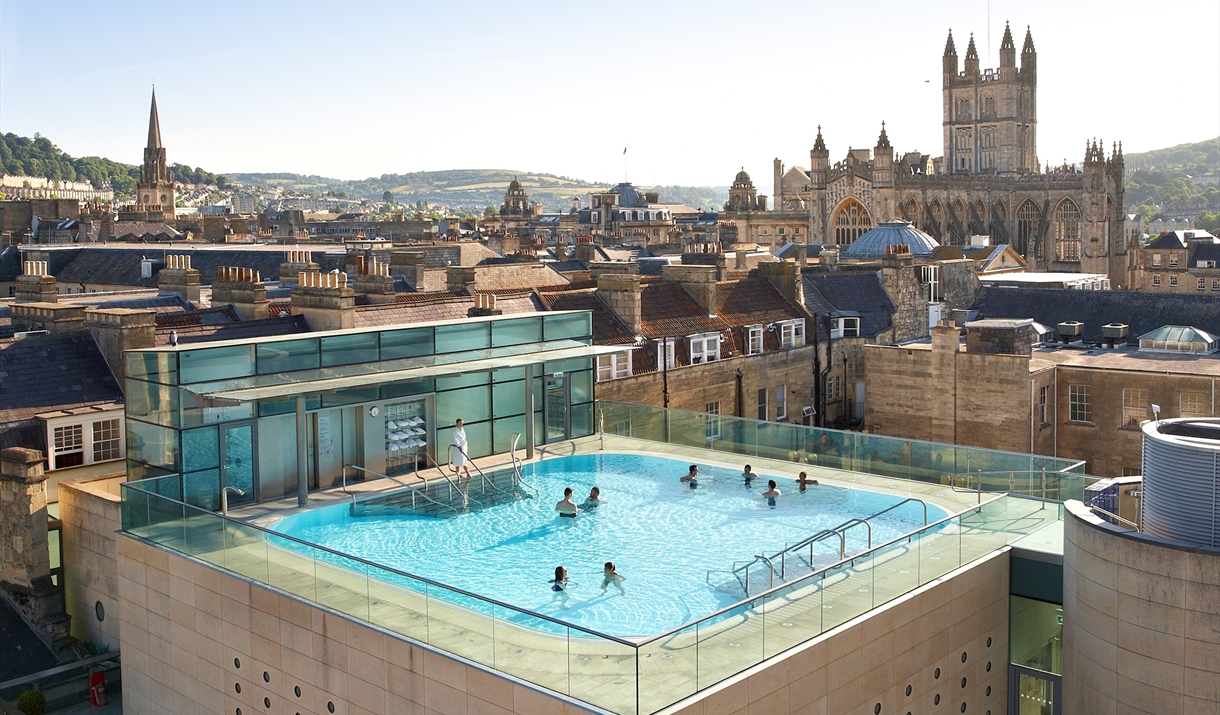
The Romans called it Aquae Sulis, founding the settlement around Britain’s only natural warm springs in the 1st century AD. The original Roman Great Bath is now a world-class historic museum, but just steps away, Thermae Bath Spa taps the same geothermal aquifer.
The spring water surfaces at roughly 46°C (115°F), rich in over 40 minerals including sulphate, calcium, and silica. The highlight is the open-air rooftop pool, where you can drift through warm, mineral-heavy water while looking out across the Gothic towers of Bath Abbey.

-
Friedrichsbad & Caracalla Therme (Baden-Baden, Germany)
Emperor Caracalla visited Aquae Aureliae in the 3rd century to soothe his arthritis in the Black Forest’s sodium-chloride springs. Baden-Baden remains one of Europe’s premier spa towns, powered by twelve separate springs rising from depths of up to 2,000 meters.
For the classic experience, visit Friedrichsbad, a neo-Renaissance bathhouse opened in 1877 directly on the foundations of ancient Roman soldier baths. It runs a traditional 17-stage circuit combining dry hot-air baths, thermal steam chambers, soap-brush massages, and varying mineral plunge pools beneath an ornate domed cupola.
-
Bagno Vignoni & Terme di Chianciano (Tuscany, Italy)
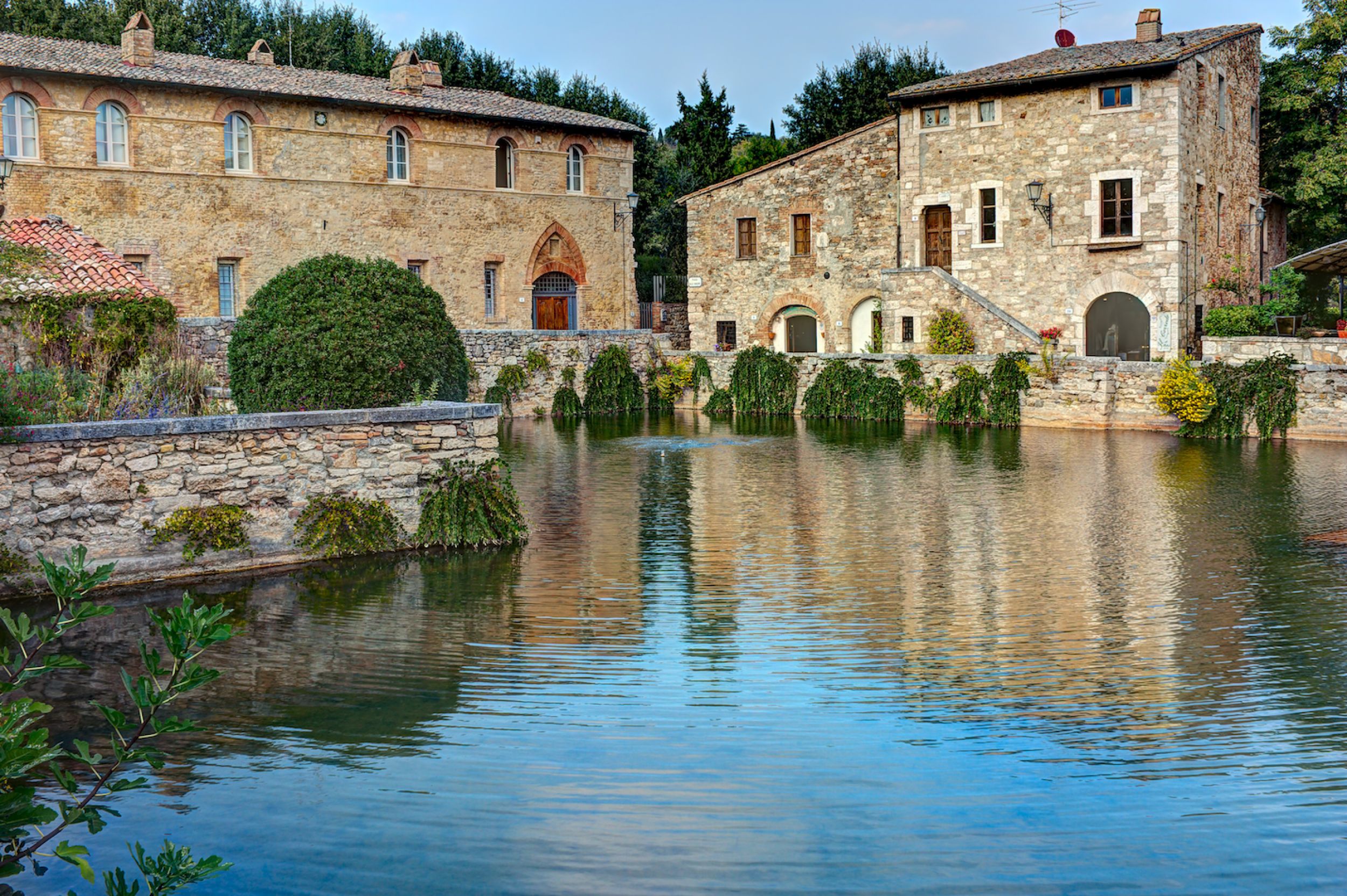
Set in the rolling hills of the Val d’Orcia, Bagno Vignoni is unlike any other spa town in Italy. Its central square, the Piazza delle Sorgenti, is not paved; it is a massive 16th-century stone basin fed by a 49°C volcanic spring that Romans and Etruscans used for recovery.
While bathing in the central square is forbidden to protect the heritage, modern visitors can soak in the steaming cascade pools down the cliffside at the Parco dei Mulini, or check into local thermal resorts like Le Terme and Adler Spa Resort, both fed by the same mineral source.
-
The Roman Baths of Dorres (Pyrénées-Orientales, France)
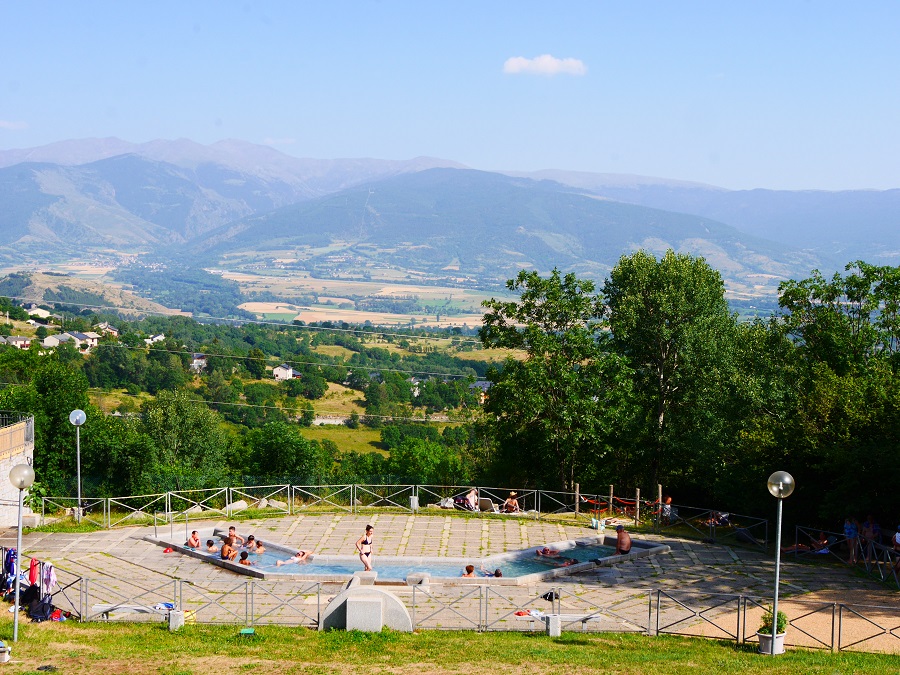
Tucked into the French Pyrenees near the Spanish border, Les Bains de Dorres offers a rustic, open-air experience used since the Roman era. Granite tubs dating back centuries sit outdoors on a hillside facing the southern mountain peaks.
The water enters the baths naturally at around 38°C (100°F) and is rich in sulphur, making it popular for muscle fatigue and respiratory health. It is one of the few places in Europe where you can sit in an ancient cut-granite tub surrounded by alpine snow.
-
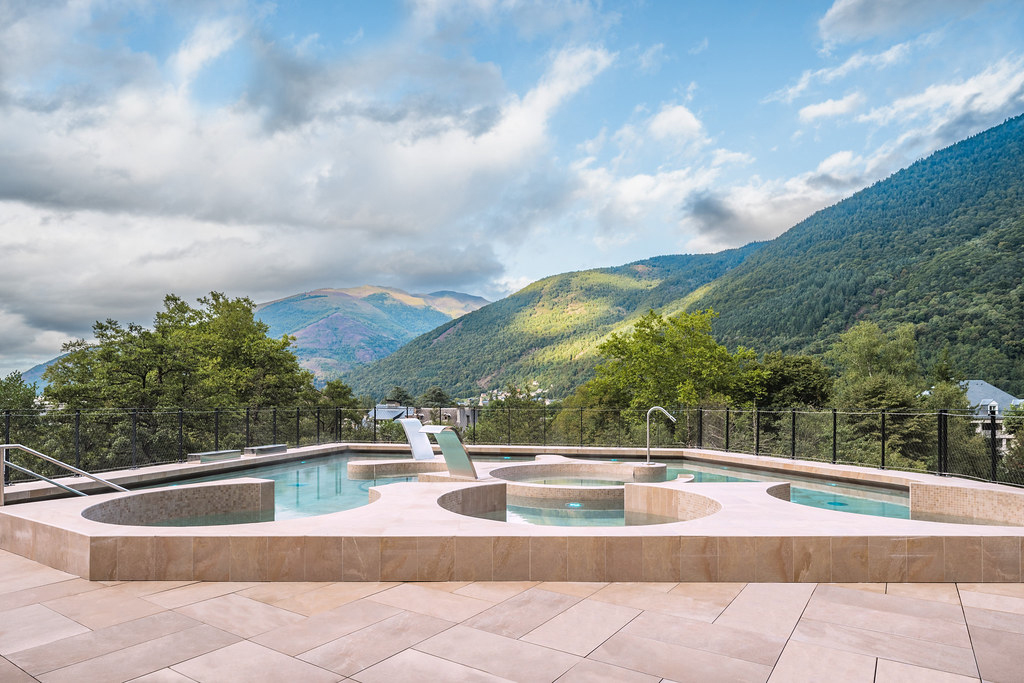
Bagnères-de-Luchon Vaporarium (French Pyrenees)
Known to the Romans as Ilixio, Bagnères-de-Luchon holds a unique distinction: it is home to Europe’s only natural thermal vaporarium.
Unlike modern electric steam rooms, Luchon’s vaporarium consists of more than 1,200 meters of subterranean rock galleries where 72°C sulfuric mineral water filters through natural stone fractures. The steam fills the underground chambers naturally, creating an authentic Roman-style laconicum (sweat chamber) deep inside the mountain bedrock.